Joint Health

It's Not Old Age. It's Silent Rust — And It Starts With A Quiet Little Crack. What Nobody Tells You About Osteoarthritis.

It starts out slow, with a little morning stiffness — and by the time you notice, the cartilage is already gone.

If you feel stiff getting up, and you're dealing with pain in your knees, hips, and back, you've probably already looked for help. And you've probably already been through the whole cycle: expensive injections every 6 months, physical therapy that helps for maybe two hours, "miracle" glucosamine, and the promise of a risky surgery. None of it worked. You've told this same story to more than one doctor.
Woman in her 50s holding her knee in the morning, showing signs of joint stiffness

The Real Culprit

They blame your weight, your crazy schedule, or your age. They tell you it's "just normal aging" and that it's not worth looking into any further. You feel dismissed, frustrated, and ignored by the system.

But it was never your fault. Treatments that only masked the symptom wasted your time — below, you'll find out the real mechanism they keep overlooking, and who's profiting from your pain.

From A Little Creak To Complete Cartilage Loss

It starts with a little crack, some stiffness — and then the endless cycle of band-aid treatments and shallow explanations. While you suffer, the healthcare industry rakes in billions off your desperation.

It's not in your head.
And it's not for lack of trying.
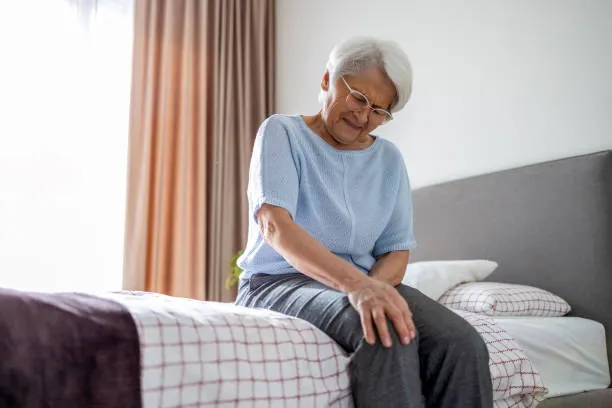
Tired woman in her 50s sitting on the edge of a bed, holding her knee in discomfort

What Science Found — And What The Industry Would Rather You Never Knew

Researchers with no ties to the pharmaceutical industry raised a hypothesis most doctors never mention: your water, your food, and the air you breathe carry traces of heavy metals — like cadmium, found in pesticides, processed foods, and even bottled water.

On its own, a little bit doesn't make a difference. But over decades, that metal builds up in your joints — slowly, without you ever noticing.

That buildup works like a constant, silent rust. Your body tries to clear it out and fails — and that never-ending irritation slowly eats away, millimeter by millimeter, at the cartilage protecting your bones. It's like metal rusting from the inside out. At first, the damage is invisible. Except here, the rust is inside you.
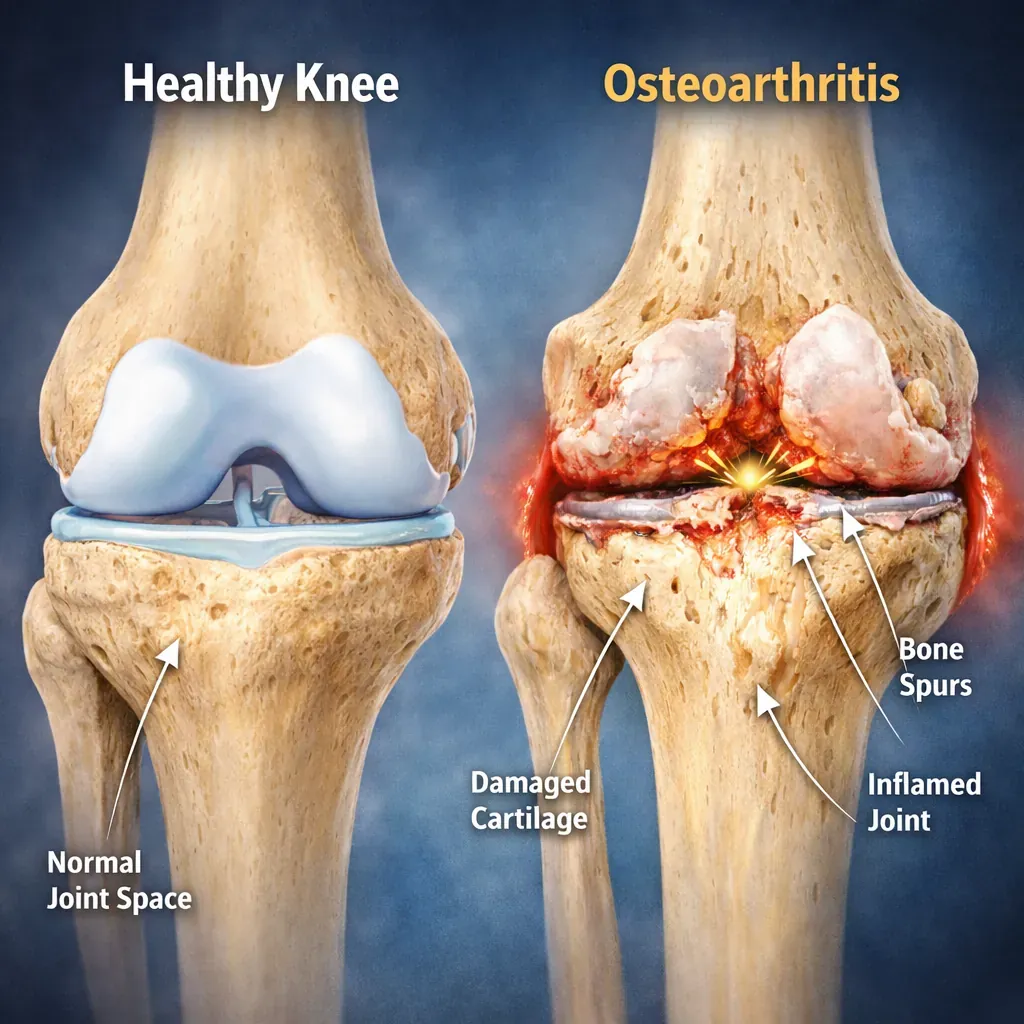
Illustration comparing a healthy knee joint to one with osteoarthritis damage

That's why the pain doesn't come out of nowhere. It shows up years later, once the cartilage has already been sanded down by friction. And that's why "it's just your age" is a convenient lie — age is just how much time the "rust" had to do its work.

While You're Reading This, The Rust Keeps Going

That means something brutal nobody ever told you: as long as the cadmium stays active, the wear never stops. Even on your "good" days, the process keeps corroding underneath.

Now you know what nobody had ever explained to you. And that's exactly why waiting costs you: the longer this rust keeps working, the closer you get to a point where the damage can no longer be undone.

The question is: how much more
movement are you willing to lose?

Click the link below and see how women who were already on the surgery waiting list got back to moving without pain. The answers no doctor has given you yet are in this video.
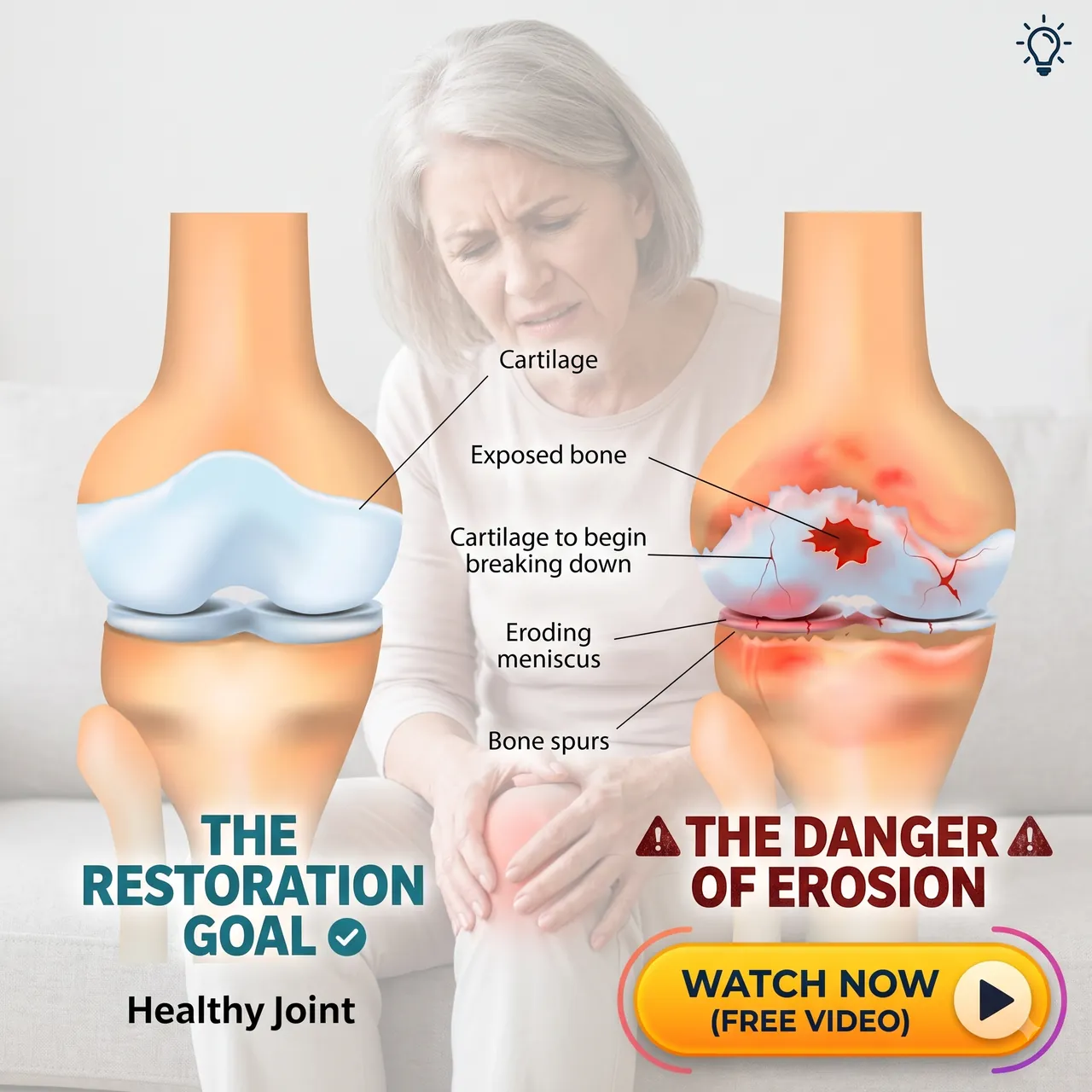
Watch now: how women avoided knee surgery
▶ Watch The Video Now

Further Reading & Scientific References

  1. Fan W, et al. — Analyzing the impact of heavy metal exposure on osteoarthritis and rheumatoid arthritis. PMC (Frontiers in Nutrition)
  2. Identification of heavy metals exposure on osteoarthritis among aging people — NHANES 2011-2020. PMC
  3. Impact of cadmium toxicity on cartilage loss in a 3D in vitro model. ScienceDirect
  4. Impact of cadmium toxicity on cartilage loss in a 3D in vitro model. PubMed
  5. Cadmium exposure and its role in joint disease: a review of experimental and population-based evidence. ScienceDirect
  6. Factors that affect the content of cadmium, nickel, copper and zinc in tissues of the knee joint. PMC
  7. Molecular mechanisms of environmental pollutant-induced cartilage damage. PubMed
  8. Long-term sex-specific effects of cadmium exposure on osteoporosis and bone density — 10-year cohort study. PMC
  9. Chronic knee pain related to osteoarthritis — treatment overview. PMC
  10. Osteoarthritis — clinical overview. Wikipedia (general reference)
  11. Knee replacement — surgical indications and risks. Wikipedia (general reference)
Additional Notes
What is osteoarthritis, and why does it cause joint pain?
Osteoarthritis is the gradual wearing down of the cartilage that cushions the ends of bones in a joint. Over time, that cushioning thins out, and the resulting friction between bones causes pain, stiffness, and local inflammation.
Is there a cure for osteoarthritis?
There's no definitive cure recognized by medicine today. Management usually focuses on slowing the progression of wear, controlling pain, and preserving joint function for as long as possible.
What are the earliest signs of knee osteoarthritis?
Morning stiffness that improves through the day, pain going up or down stairs, and a cracking or grinding sound during movement are usually the first signs people notice.
Is osteoarthritis the same thing as rheumatoid arthritis?
No. Osteoarthritis is mechanical wear of the cartilage; rheumatoid arthritis is an autoimmune disease, where the immune system attacks the joint itself. Treatment approaches and typical patient profiles differ between the two.
Can environmental factors influence joint wear?
Studies have linked exposure to certain heavy metals, like cadmium, to oxidative stress in joint tissue — an environmental factor added to already recognized ones like age, weight, injury history, and genetics.
Is there a natural supplement that supports joint health?
Some compounds, like curcumin and resveratrol, have been studied for their antioxidant and anti-inflammatory activity in joint tissue. Supplements don't replace medical evaluation and follow-up care.
Do glucosamine and chondroitin still work?
Results vary by person — some users report noticeable improvement, while clinical studies show mixed results overall. It remains one of the most studied options in joint support.
When is knee surgery actually necessary?
It's usually recommended in advanced cases, when pain and reduced mobility significantly affect quality of life and other approaches haven't provided enough relief. The decision should be made together with an orthopedic specialist.
Is morning stiffness always a sign of osteoarthritis?
Not necessarily — it can be linked to other joint conditions. Stiffness lasting more than 30 minutes, or that keeps getting worse, is worth having specifically evaluated by a doctor.
How can I ease joint pain day-to-day without medication?
Maintaining a healthy weight, strengthening the muscles around the joint, applying local heat, and low-impact activity like water aerobics are commonly recommended as complementary support.

Disclosure: This is a content page created to promote a product through affiliate links — if you make a purchase through a link on this page, we may earn a commission, at no extra cost to you. The information presented here is for educational purposes only and is not a substitute for consultation, diagnosis, or treatment by a qualified healthcare professional. Do not stop or change any ongoing medical treatment without your doctor's guidance. Individual results may vary. These statements have not been evaluated by the Food and Drug Administration. This product is not intended to diagnose, treat, cure, or prevent any disease.